Medicare Clinic in Reading & Cardiff
Tel: 0772 330 3324

Cert.no.CRT1-470316920
Phone Bookings
0772 330 3324
9am - 9pm (7 days a week)
Language
Medicare Clinic in Reading & Cardiff
Tel: 0772 330 3324
Cert.no.CRT1-470316920
Phone Bookings
0772 330 3324
9am - 9pm (7 days a week)
Language
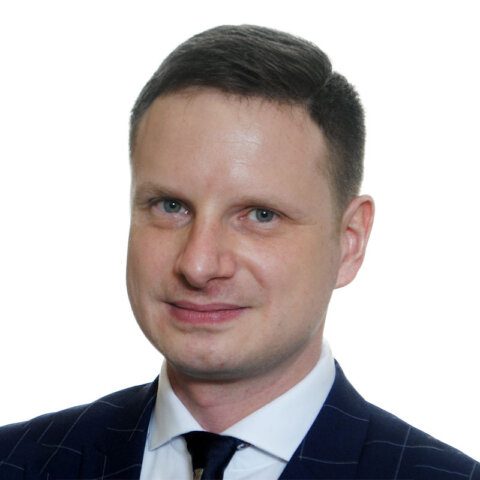
Dr Piotr Zelga is a graduate of the Medical University of Lodz. He completed his residency in general surgery at the Department of General and Colorectal Surgery of the Medical University of Lodz, the leading centre of excellence for treating diseases of the colon and rectum in Poland. After obtaining the title of specialist in general surgery, he continued working as a Senior Assistant in University Clinical Hospital and then began training in pancreatic and hepatobiliary surgery at Cambridge University Hospitals NHS Foundation Trust in the UK. Currently, Dr Zelga has returned from a one-year postdoctoral fellowship at Massachusetts General Hospital (Harvard Medical School) in Boston.
Dr Zelga participated in many courses in Poland and abroad (including Basic Laparoscopic Skills -Berlin, Germany, Intermediate Laparoscopic Skills – Royal College of Surgeons, London, Great Britain) and gained professional experience during numerous clinical internships (e.g., Department of Surgery, Cambridge University Hospital NHS Foundation Trust and Western Sussex NHS Foundation Trust) and is an active researcher. His doctoral thesis (focusing on the issue of early detection and treatment of colorectal cancer based on the patient’s genetic profile) was awarded by the Foundation for Experimental and Clinical Oncology in Poland and was awarded the Marshal of the Lodz Region. Scientific research conducted at the University of Cambridge and Harvard University in the diagnosis and treatment of pancreatic cancer has been awarded by the Pancreatic Society of Great Britain & Ireland and the New England Surgical Society (USA) and has been repeatedly presented at international scientific conferences.
Dr Zelga cares primarily about good communication, patient safety and comfort, which are essential especially in the case of proctological diseases. Dr Zelga also helps in organizing diagnostic tests beyond the Clinic’s offer and in coordinating the treatment process both in Poland and abroad and performs surgical procedures in the public and private health service.


From May 2018, in compliance with the General Data Protection Regulation (GDPR), each patient having an appointment will be asked to consent to processing and storing their data, including the right of the clinic to contact the patient via phone, SMS, e-mail (including sending newsletters) or by post. The patient has a right to object to us using their personal contact details. Please note that this, however, will result in:
• the clinic being unable to contact the patient to change, confirm or cancel appointment
• the doctor being unable to contact the patient to discuss the test results or answer patient’s query
• the clinic being unable to send laboratory test results
• the clinic being unable to send newsletters to inform about our new services or exclusive offers
• the clinic being unable to send invoices for service received at the clinic
• the clinic being unable to send medical reports, medical documentation, treatment plans
• the patient being unable to use our credit facilities
• the patient being unable to book an appointment via our website
All information given will be kept confidential. No personal details will be passed on to third parties nor shared with companies / people outside of the company other than our subcontractors doctors working on a self-employment basis.
Clients/patients have the right to be forgotten. If an individual makes a written request to be forgotten, we must remove all data from our databases, which processes are handled by our manager.
Please note that we will be unable to erase client medical records, which are required as evidence of our clinical practice.
We will however, be able to delete individuals personal data from any email correspondence, booking and contact form data such as name, email, phone, DOB, contact message.
Calls may be monitored and recorded for record-keeping, training and quality-assurance purposes. You may, however, object to your conversation being recorded by informing our receptionist at the beginning of the conversation.
• The General Data Protection Regulation (GDPR)
• Regulation of Investigatory Powers Act 2000 (“RIPA”)
• Telecommunications (Lawful Business Practice)(Interception of Communications) Regulations 2000 (“LBP Regulations”)
• The Employment Practices
• Human Rights Act 1998


