
Urologist in Reading & Cardiff
Our expert urologists in Reading & Cardiff offer screening, diagnosis and treatment for a range of conditions – from urinary tract infections to prostate cancer.
Medicare Clinic in Reading & Cardiff
Tel: 0772 330 3324

Cert.no.CRT1-470316920
Phone Bookings
0772 330 3324
9am - 9pm (7 days a week)
Language
Our expert urologists in Reading & Cardiff offer screening, diagnosis and treatment for a range of conditions – from urinary tract infections to prostate cancer.
Medicare Clinic is a private urology Clinic practice located in Oxford Road, Reading, Berkshire & Cardiff Gate, Wales providing care to patients with the highest quality urology treatments & diagnostics for a wide range of disorders. Urologist are doctors who specialise in conditions that affect the urinary tract in men, children and, women (kidneys, ureters, bladder and urethra) and diseases that affect the reproductive system (penis, testes, scrotum, and prostate). Whether you’re having minor symptoms or a major diagnosis & need to continue treatment, we’re able to help.
At our modern clinic, our private urologist can assess and treat the widest range of urological health conditions as well as provide the highest quality of urological care using the latest, most effective techniques in diagnostics and treatment.
If you need to book an appointment with our doctors, or simply want to find out our fees for any service you may require, give our friendly team a call on 0772 330 3324 and we’ll be happy to help, if you have any of the following:
Urology is a medical specialty that focuses on the diagnosis, treatment, and management of disorders affecting the urinary system in both men and women, as well as the male reproductive system. The urinary system includes organs such as the kidneys, ureters, bladder, and urethra, which are responsible for producing, storing, and expelling urine from the body.
Urologists treat a wide range of conditions, including kidney stones, urinary tract infections (UTIs), bladder issues, prostate problems, erectile dysfunction, and male infertility. They also address more complex conditions like urological cancers, including prostate, bladder, kidney, and testicular cancer.
Urology involves both surgical and non-surgical approaches to treatment, often utilising advanced technologies and minimally invasive techniques to provide effective care. In addition, urologists collaborate with other medical professionals, such as nephrologists and oncologists, to deliver comprehensive treatment plans tailored to each patient’s needs.
At Medicare Clinic in Reading & Cardiff, our urologist specialise in diagnosing and treating a wide range of symptoms related to the bladder, prostate, kidneys, and male sex organs including:
Women might also see a urologist for:
Our urology specialists can improve your health significantly as well as your overall well-being and quality of life. Regardless of whether you are experiencing symptoms or not, regular check-ups are essential. Our specialists in urology have an extensive experience and continuously enhance their knowledge through international courses and lectures.
Our urologists are committed to maintaining your intimate health with the utmost discretion and professionalism. They address your most sensitive health questions with understanding and respect. We particularly encourage women to undergo preventive check-ups and regular examinations to detect even the smallest changes early. We provide comprehensive care for urinary incontinence in women and male infertility. Additionally, we offer advanced ultrasound diagnostics of the genitourinary system to ensure accurate diagnoses.
Visit us at our clinics in Reading and Cardiff to ensure your intimate health is in expert hands.
Our clinic offers several minimally invasive urological procedures performed by experienced specialists.
Below you will find simple explanations of each treatment, what they are used for, and who may benefit from them.
Circumcision is a surgical removal of the entire foreskin (prepuce) that covers the head of the penis.
Circumcision is performed for medical reasons (phimosis, recurrent infections, balanitis), religious/cultural preferences, or personal choice.
The procedure takes 20–40 minutes under local anesthesia. Excess foreskin is removed and the remaining skin is stitched with dissolvable sutures.
Recovery time is 1–2 weeks for basic healing; 4–6 weeks before resuming sexual activity. Mild swelling and discomfort are normal.
Common benefits include easier hygiene, reduced risk of urinary tract infections, lower risk of certain STIs, and resolution of phimosis or foreskin-related pain.
Partial circumcision is a conservative procedure that widens the foreskin opening while preserving most or all of the foreskin.
It is ideal for patients with tight foreskin (phimosis) who wish to keep as much foreskin as possible.
A small longitudinal incision is made on the tight band and closed transversely (similar to lengthening a tight ring), or a limited amount of foreskin is removed. Usually performed under local anesthesia in 15–30 minutes.
Recovery is faster than with full circumcision—typically 1–3 weeks. Sexual activity can often resume sooner.
Partial circumcision maintains natural appearance and sensitivity, resolves phimosis, and is reversible in many cases if further surgery is later desired.
Vasectomy is a minor surgical procedure that blocks or cuts the vas deferens to prevent sperm from reaching the semen.
It is a safe, effective, and permanent form of male contraception, intended for men who are certain they do not wish to have more children.
The procedure is performed in 10–20 minutes under local anesthesia. Using the no-scalpel technique, a tiny puncture is made in the scrotum, the vas deferens are located, cut/sealed, and no stitches are usually needed.
Recovery time is short—most men return to work in 2–3 days. Heavy lifting and sexual activity should be avoided for about 1 week. Fertility is considered permanently blocked only after a negative semen analysis (usually at 12 weeks and after 20 ejaculations).
The vasectomy procedure is >99.9% effective, with quick recovery and no impact on testosterone, libido, or erections.
Penile frenuloplasty is a surgical lengthening or release of a short frenulum (the band of tissue connecting the foreskin to the underside of the glans).
A short frenulum can cause pain during erection or intercourse and may tear repeatedly.
The procedure (10–20 minutes under local anesthesia) involves a small transverse incision of the tight frenulum, followed by longitudinal suturing to lengthen it. Dissolvable stitches are used. Often combined with circumcision or partial circumcision if needed.
Recovery time is 1–2 weeks for basic healing; 4–6 weeks before resuming sexual activity.
Penile frenuloplasty eliminates pain during erection or intercourse, prevents recurrent tearing/bleeding, and improves sexual comfort.
Hydrocele puncture is needle drainage of excess fluid that has collected around the testicle inside the scrotum, causing painless swelling.
It is performed in the office under local anesthesia.A fine needle is inserted and fluid is withdrawn (often 100–500 ml).
In some cases, a sclerosing agent (e.g., tetracycline or polidocanol) is injected afterward to reduce recurrence risk. The entire procedure takes 10–15 minutes.
Recovery time is immediate—patients walk out and resume normal activities the same day. Mild aching may last 24–48 hours.
Important note:
Simple aspiration alone has a high recurrence rate (up to 70–90%).
Adding sclerotherapy reduces recurrence but is still considered a temporary solution in many cases.
Surgical hydrocelectomy (Lord’s or Jaboulay procedure) remains the definitive treatment for persistent or recurrent hydroceles.
If you are considering any of these procedures, a consultation with a board-certified urologist will help determine the best option for your individual situation. Most are day-case procedures with excellent outcomes and high patient satisfaction.
Pre-appointment is required for most surgical procedures. Abovementioned surgical procedures are for adults only.
Appointment dates
today, Wednesday
9am-21pm

Erectile dysfunction (ED) is the inability to get or maintain an erection long enough to have sexual intercourse. There are many different causes, which may include conditions that affect your blood vessels, neurological conditions, mental health conditions and injuries. Our urologist can diagnose and treat erectile dysfunction.

Benign prostatic hyperplasia (BPH) is a health issue that becomes more common with age. It’s also called an enlarged prostate. The prostate is a small gland that helps make semen. It’s found just below the bladder. And it often gets bigger as you get older.
An enlarged prostate can cause symptoms that may bother you, such as blocking the flow of urine out of the bladder. It also can cause bladder, urinary tract or kidney problems.
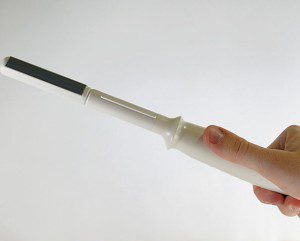
Urine contains many dissolved minerals and salts. When your urine has high levels of these minerals and salts, you can form stones. Kidney stones can start small but can grow larger in size, even filling the inner hollow structures of the kidney. Some stones stay in the kidney, and do not cause any problems.

Infertility can result from disorders of the testicles themselves or an abnormality affecting other hormonal systems including the hypothalamus, pituitary, thyroid and adrenal glands. Low testosterone (male hypogonadism) and other hormonal problems have a number of possible underlying causes.

Urologist
Dr Michal Trabka
In our clinics we have high standard medical equipment, which guarantees safety and precision of treatments.
Our experienced doctors are specialized in many fields of medicine and apply modern methods of treatment at our medical facilities.
Our doctors may be distinguished by an exceptional approach towards patients. They treat each patient individually and with great attention.
We respect our patients’ time through intelligent systems of registration that solves the problem of standing in queue.


From May 2018, in compliance with the General Data Protection Regulation (GDPR), each patient having an appointment will be asked to consent to processing and storing their data, including the right of the clinic to contact the patient via phone, SMS, e-mail (including sending newsletters) or by post. The patient has a right to object to us using their personal contact details. Please note that this, however, will result in:
• the clinic being unable to contact the patient to change, confirm or cancel appointment
• the doctor being unable to contact the patient to discuss the test results or answer patient’s query
• the clinic being unable to send laboratory test results
• the clinic being unable to send newsletters to inform about our new services or exclusive offers
• the clinic being unable to send invoices for service received at the clinic
• the clinic being unable to send medical reports, medical documentation, treatment plans
• the patient being unable to use our credit facilities
• the patient being unable to book an appointment via our website
All information given will be kept confidential. No personal details will be passed on to third parties nor shared with companies / people outside of the company other than our subcontractors doctors working on a self-employment basis.
Clients/patients have the right to be forgotten. If an individual makes a written request to be forgotten, we must remove all data from our databases, which processes are handled by our manager.
Please note that we will be unable to erase client medical records, which are required as evidence of our clinical practice.
We will however, be able to delete individuals personal data from any email correspondence, booking and contact form data such as name, email, phone, DOB, contact message.
Calls may be monitored and recorded for record-keeping, training and quality-assurance purposes. You may, however, object to your conversation being recorded by informing our receptionist at the beginning of the conversation.
• The General Data Protection Regulation (GDPR)
• Regulation of Investigatory Powers Act 2000 (“RIPA”)
• Telecommunications (Lawful Business Practice)(Interception of Communications) Regulations 2000 (“LBP Regulations”)
• The Employment Practices
• Human Rights Act 1998


